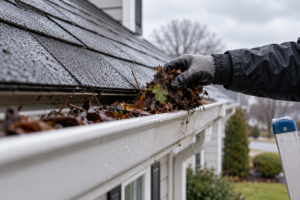
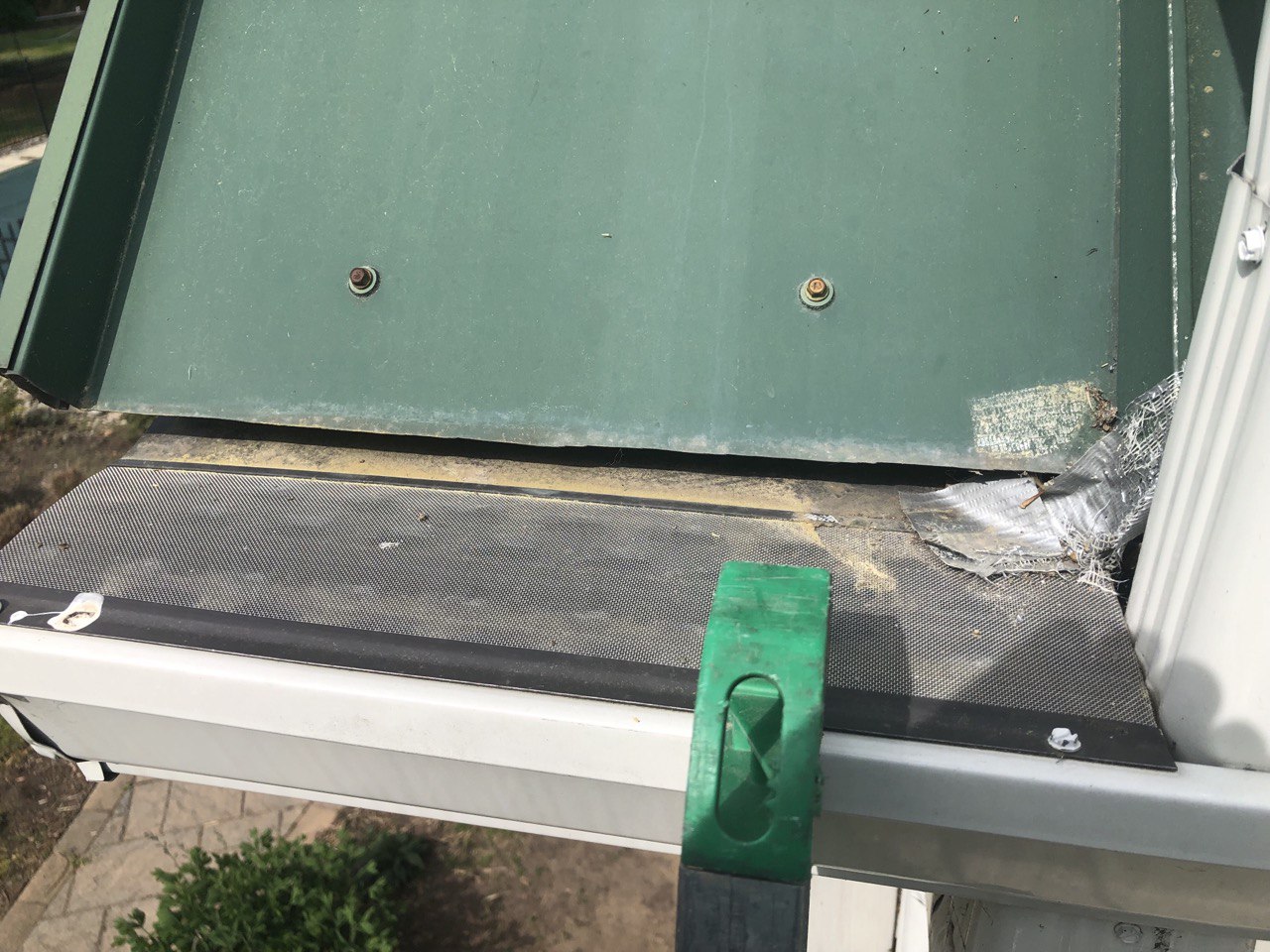
If you’ve recently invested in gutter guards, you might be wondering if those cleaning days are finally behind you. Do gutter guards need cleaning? Yes. Even the best gutter guards reduce maintenance, but they do not eliminate it, which is why gutter guard maintenance is still a real homeowner task. Understanding why will help you maintain your investment and protect your home more effectively.
Do Gutter Guards Eliminate the Need for Cleaning?
No. Gutter guards do not eliminate the need for cleaning. They reduce the frequency and intensity of gutter cleaning by blocking large debris like leaves, branches, and twigs, but smaller debris and surface buildup still require periodic care. These protective systems work as helpful filters rather than complete replacements for regular maintenance, and homeowners who skip cleaning altogether often see clogs return within one or two seasons.
Think of gutter guards as helpful assistants rather than complete replacements for regular care.
They make your life easier by handling the big stuff, but the smaller details still need your attention.
This is why our professional gutter cleaning services in Delaware and Maryland often recommend regular maintenance even for homes with guard systems.
Why Gutters With Guards Still Get Clogged
Gutters with guards still get clogged because several types of debris can slip through, sit on top of, or bypass even the best protection systems. Pine needles, with their thin and elongated shape, are notorious for finding their way past most gutter guard types. These sneaky little troublemakers can accumulate over time, creating blockages that prevent proper water flow. Shingle grit presents another challenge.
As your roof ages, granules naturally shed from asphalt shingles and make their way into your gutters. Even with guards in place, these tiny particles can pass through and gradually build up. Add in pollen, seeds, dust, and small organic matter, and you have a recipe for eventual clogs.
The accumulation happens slowly, which is why many homeowners do not notice the problem until water starts overflowing during heavy rains. Regular gutter guard maintenance, including a quick visual inspection every three to four months, helps catch these issues before they become expensive problems.
Also Read: How to Install a Garage Door Opener: Step-by-Step Tutorial
Surface Debris: When Guards Become Part of the Problem
Here’s something many homeowners don’t anticipate – debris doesn’t just try to get inside your gutters; it also loves to pile up on top of your guards. Leaves, twigs, and other materials can create a thick mat across the surface of your gutter protection system.
When this happens, water can’t penetrate the debris layer to reach your gutters. Instead, it cascades over the edges, completely defeating the purpose of having gutters in the first place. This overflow can lead to foundation problems, basement flooding, and landscape erosion around your home.
The irony is that your gutter guards are working perfectly – they’re keeping debris out of the gutters – but the debris sitting on top creates new challenges that require attention.
How Do I Clean Gutters That Have Gutter Guards Installed?
Learning how to clean gutter guards properly is essential for maintaining their effectiveness. To clean gutters that have gutter guards installed, first clear surface debris with a broom or leaf blower, then inspect and brush out the guard openings, and finally remove sections if needed to flush the gutter beneath and verify the downspouts run freely.
The process differs slightly from traditional gutter cleaning, but it is not complicated once you understand the basics. Start by clearing the surface debris using a broom, leaf blower, or garden hose.
This removes the layer of leaves and twigs that may have accumulated on top of the guards. Next, inspect the guard openings for any buildup in mesh holes or screen slits, and use a soft brush or water spray to clear these smaller blockages.
For thorough seasonal cleaning, you might need to temporarily remove some types of guards to access the gutters underneath. This allows you to flush out any debris that managed to slip through and ensure your downspouts are flowing freely.
Gutter guard cleaning tips for homeowners: use a telescoping pole with brush attachments, a quality garden hose with adjustable spray settings, and a sturdy ladder with a stabilizer to keep the work safe at height. Using the right gutter guard cleaning tools makes the job much easier and safer, and our team also handles cleaning for homeowners who would rather not work on a ladder.
Also Read: 6 Warning Signs Your Gutters Need Repair Before It’s Too Late
How Often to Clean Gutters With Gutter Guards
Most homes with gutter guards need cleaning once a year, while homes with heavy tree coverage should plan on twice a year, typically in late spring and again in late fall after leaf drop. The frequency of gutter guard maintenance often depends on your local climate and surrounding vegetation, and homes with heavy tree coverage will naturally require more frequent attention, especially during autumn when leaf drop is at its peak. Storm events can quickly overwhelm even high-quality gutter protection systems. Heavy winds can deposit large volumes of debris on your guards, while driving rain might push smaller materials through openings that would normally repel them. Post-storm inspections are one of the most overlooked gutter guard cleaning tips for homeowners, especially in Delaware and Maryland, where coastal storms strip trees fast. Spring cleaning is particularly important as winter debris and any ice dam remnants are cleared away, while fall maintenance prepares your system for the heavy leaf drop season.
Different Gutter Guard Types Require Different Care
The various gutter guard types on the market each have unique maintenance requirements. Mesh screens need regular checking for clogs in their tiny openings, while solid covers require more frequent surface cleaning since debris can’t fall through at all.
Brush-style guards might trap more small debris within their bristles, requiring periodic removal and cleaning of the brush inserts themselves. Foam guards can become saturated with organic matter and need replacement more frequently than other types.
Understanding your specific guard type helps you develop an appropriate maintenance schedule and use the most effective cleaning methods.
Conclusion
Gutters with guards still need cleaning because these systems are designed to minimize maintenance, not eliminate it entirely. Do gutter guards need cleaning? Yes, but far less often, and a quick visual check each season is usually all it takes to spot problems early. Guards are incredibly effective at reducing the frequency and difficulty of gutter cleaning, but regular care remains essential for optimal performance. While many maintenance tasks can be handled as DIY projects, there is significant value in professional gutter cleaning services, especially for homes with gutter guard systems. If you are looking for a professional gutter cleaning service or gutter guard installation in Delaware or Maryland, contact Quality Garage Doors and Gutters for a quote.