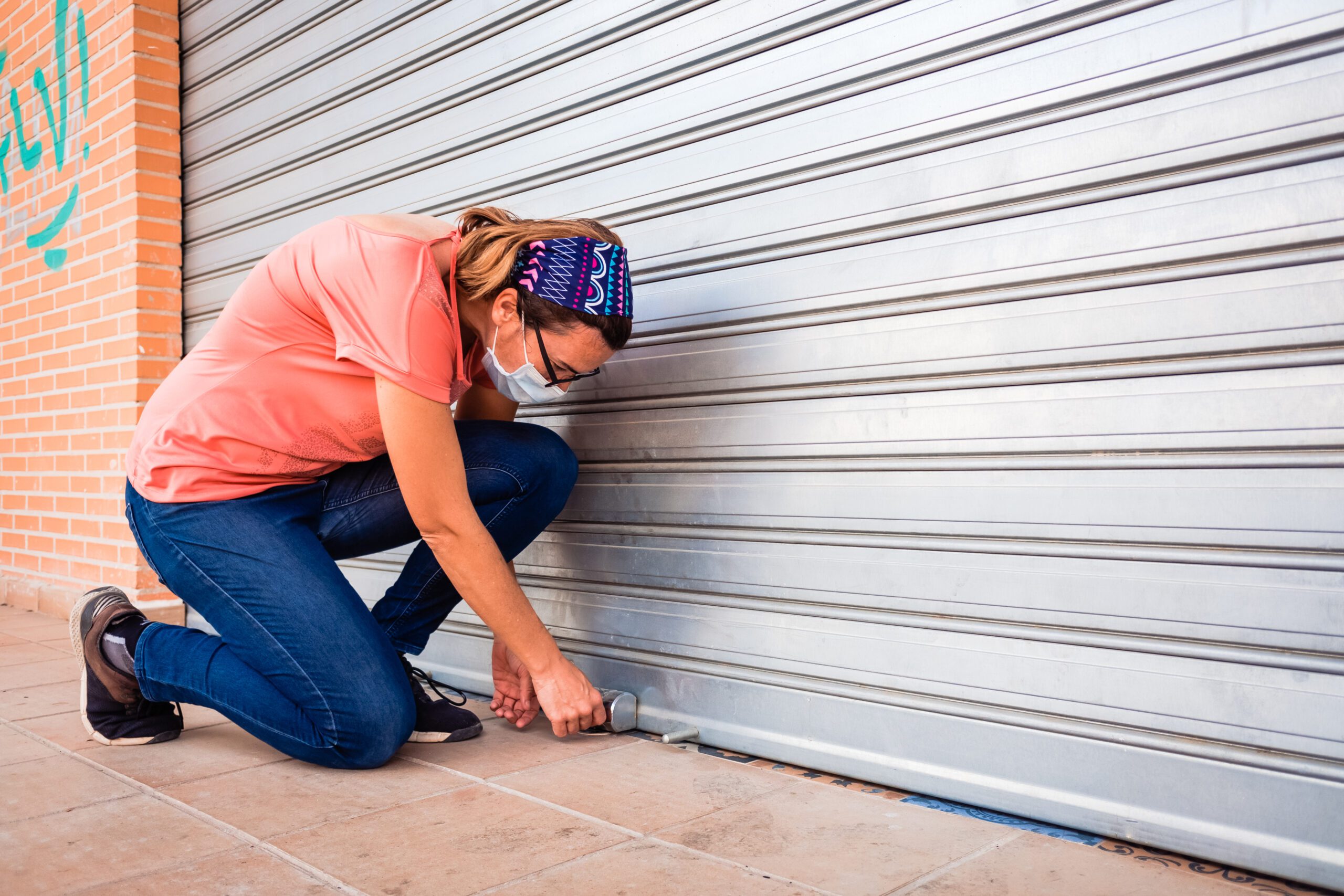
Most homeowners don’t think twice about their garage door until something goes wrong. But here’s the thing – a little preventive care goes a long way.
A consistent annual garage door maintenance routine is the single best way to avoid unexpected breakdowns, extend the life of every component, and keep your home safe.
Regular maintenance can save you from dealing with a door that won’t open on a busy Monday morning or, worse, a safety hazard that puts your family at risk. This garage door preventive maintenance checklist covers everything you need to do, from garage door track cleaning and lubrication to garage door opener maintenance and roller inspections, so you can prevent costly repairs and extend your door’s lifespan. If any task feels beyond your comfort level, our garage door service and repair team is always ready to help.
Starting Your Ultimate Annual Garage Door Maintenance Checklist
1. Begin With a Thorough Visual Inspection
Before diving into any hands-on work, take a step back and really look at your garage door. This visual inspection is the foundation of effective garage door preventive maintenance and can reveal issues before they become expensive problems.
Start by operating your garage door and watching how it moves. Does it glide smoothly, or does it jerk and hesitate? Listen carefully for any unusual sounds – grinding, squeaking, or rattling can all signal that your door needs attention. A well-maintained garage door should move quietly and steadily.
Next, examine your door panels closely. Look for signs of warping, cracks, dents, or peeling paint. These cosmetic issues might seem minor, but they can lead to bigger problems if left unchecked. Weather damage not only affects your home’s curb appeal but can also compromise the door’s structural integrity and noise insulation.
2. Check Essential Hardware and Moving Parts
Once you’ve completed your visual assessment, it’s time to get up close and personal with your garage door’s hardware. Over time, the constant vibration from opening and closing can cause bolts and brackets to work loose. That’s why you need to tighten bolts regularly as part of your annual garage door maintenance routine.
Grab a socket wrench and systematically check every bolt, bracket, and fastener you can safely reach. Pay special attention to the hinges, track mounting brackets, and any hardware connected to the door opener. This simple step can prevent many common garage door problems and contribute significantly to noise reduction.
While you’re focusing on hardware, don’t forget about your door’s rollers and tracks. These components take a beating every time your door operates. While you’re focusing on hardware, don’t forget about your door’s rollers and tracks. These components take a beating every time your door operates.
Inspect each roller for cracks, chips, or flat spots. Steel rollers typically last around 10,000–15,000 cycles, while nylon rollers can last up to 20,000 cycles. If your rollers are visibly worn, chipped, or wobbly in the track, it’s time for a garage door roller replacement to restore smooth, quiet operation.
Garage door track cleaning is one of the most overlooked steps in garage door preventive maintenance. Use a damp cloth to wipe the inside of both vertical and curved track sections, removing dust, cobwebs, and hardened grease that can cause the door to bind or operate unevenly. If you spot any rust on metal parts, now’s the perfect time for some rust prevention – sand away the corrosion and apply a rust-resistant spray.
Just a heads up: Never attempt to adjust or repair springs, cables, or other high-tension parts yourself. These components can cause serious injury or death if mishandled. Similarly, major track realignment or motor repairs should be left to trained technicians.
Also Read: Average Cost of A New Garage Door: Questions to Consider Before Purchasing a New Garage Door
3. Lubricate Essential Garage Door Parts
Here’s where many homeowners go wrong – they either skip lubrication entirely or use the wrong products. Proper lubrication is crucial for smooth operation and noise reduction, but it needs to be done correctly.
Can I lubricate my garage door myself? Yes, lubrication is one of the easiest and most effective garage door preventive maintenance tasks any homeowner can perform. It takes about 10 minutes and requires no special tools beyond a can of the right lubricant.
Use only silicone-based or lithium-based garage door lubricants. Avoid WD-40, which is a solvent and degreaser, not a lubricant; it can actually strip away existing lubrication and attract dirt and grime over time.
Apply lubricant to all metal moving parts, including hinges, springs, metal rollers, and bearings. However, never lubricate nylon rollers – they’re designed to operate dry. As part of your garage door opener maintenance, also apply a few drops of lubricant to the opener’s chain or screw drive rail (belt-drive openers do not require rail lubrication). This keeps the drive mechanism running smoothly and reduces operational noise.
After applying the lubricant, wipe away any excess to prevent dirt buildup. This can dramatically extend the life of your garage door components.
4. Don’t Ignore Safety Tests
Your annual garage door maintenance checklist isn’t complete without thorough safety testing. These tests can literally be lifesavers, so don’t skip them.
Start with the balance test. Disconnect your garage door opener and manually lift the door about halfway up. If your door is properly balanced, it should stay in place. If it slides down or shoots up, your springs need professional adjustment. This isn’t a DIY job – springs are under tremendous tension and require professional expertise.
Next, test your door’s auto-reverse feature. Place a block or piece of wood in the door’s path and close it using your opener. The door should immediately reverse when it contacts the obstruction. If it doesn’t, you need professional service right away.
Testing the auto-reverse mechanism is a critical part of garage door opener maintenance. A malfunctioning reverse feature is a serious safety hazard, especially in homes with children or pets.
Don’t forget to check your photo-eye sensors too. These safety devices should stop and reverse the door if anything breaks the light beam while the door is closing. Test them by waving an object through the beam during closure.
5. Weatherproofing and Aesthetic Maintenance
Your door panels face constant exposure to the elements, making regular cleaning and maintenance essential. Wash your garage door with mild detergent and water, but avoid high-pressure washers that can force water into places it shouldn’t go or damage the door’s finish.
Check your weatherstripping regularly. These seals around the bottom and sides of your door block drafts, moisture, and pests. Replace any weatherstripping that’s cracked, brittle, or missing. Good seals also help with temperature control in your garage and can reduce energy costs.
If you notice paint peeling or rust spots, address them promptly. Sand away any rust, apply primer, and touch up the paint. This rust prevention step is especially important in coastal areas or regions with harsh winters, where salt can accelerate corrosion.
Also Read: Choosing The Right Garage Door Color For A Dark Exterior: Contrast, Match, Or Blend
Why Is My Garage Door So Loud?
A loud garage door is one of the most common complaints homeowners have, and it is almost always a sign that some part of your system needs attention. The most frequent causes of a noisy garage door include worn-out rollers, lack of lubrication, loose hardware, and misaligned or dirty tracks.
Metal rollers grinding against the track are often the loudest culprit; switching to nylon rollers during a garage door roller replacement can reduce noise by up to 50%. Dried-out hinges and springs also create squeaking and groaning sounds that disappear after proper lubrication. In other cases, vibrations from a chain-drive opener can amplify noise through the ceiling; adding anti-vibration pads or upgrading to a belt-drive opener can make a significant difference.
If the noise persists after lubrication and tightening hardware, it may indicate a more serious issue, such as worn-out springs, a failing opener motor, or a bent track section. In those cases, scheduling a professional inspection is the safest next step.
When Should I Replace My Garage Door Opener?
Most garage door openers last between 10 and 15 years with proper garage door opener maintenance. However, several signs indicate it’s time for a replacement rather than another repair.
Consider replacing your opener if it lacks modern safety features like auto-reverse and photo-eye sensors (required on all openers manufactured after 1993), if the motor runs but the door doesn’t move, if it operates intermittently or reverses without cause, or if it produces excessive noise or vibration even after maintenance. Openers that are more than 15 years old are also less energy-efficient and may not be compatible with smart home integrations. Upgrading to a newer garage door opener with Wi-Fi connectivity, battery backup, and a belt-drive motor is one of the most impactful upgrades you can make during your annual garage door maintenance. Our team can help you choose the right opener for your door size and usage needs.
When to Call the Professionals: Knowing Your Limits
While there’s plenty you can do yourself, some aspects of garage door preventive maintenance require professional expertise. Annual professional inspection of springs, cables, and other high-tension components is essential for safety and can catch problems you might miss.
Never attempt to adjust or repair springs, cables, or other high-tension parts yourself. These components can cause serious injury if mishandled. Similarly, major track realignment, garage door roller replacement on high-tension setups, and motor repairs should be left to trained technicians.
Maintenance Tips for Different Door Types and Climates
Different garage doors have different needs. Steel doors require more attention to rust prevention, while wood doors need regular sealing and painting. If you live in a harsh climate, you might need to adjust your maintenance schedule accordingly.
In areas with extreme temperature swings, pay extra attention to your door’s balance and spring tension. Cold weather can affect metal components, while excessive heat can cause expansion issues.
For homeowners in Delaware and Maryland, the combination of humid summers and freezing winters makes garage door track cleaning and twice-yearly lubrication especially important to prevent corrosion and sticking.
Making Garage Door Maintenance a Family Priority
Teaching family members about basic garage door safety and maintenance can prevent accidents and help identify problems early. Show older children how to recognize warning signs and emphasize that the garage door isn’t a toy.
Keep maintenance supplies organized and easily accessible. Having the right lubricants, cleaning supplies, and tools ready makes it more likely you’ll stick to your maintenance schedule.
Also Read: Comprehensive Garage Door Size Charts
Conclusion
While there’s a lot you can handle on your own, from lubrication and garage door track cleaning to garage door opener maintenance and basic hardware checks, some tasks are best left to the pros.
An annual professional inspection of your springs, cables, rollers, and opener ensures every component is in safe working order and catches small problems before they turn into expensive repairs. Whenever you’re ready to schedule your annual garage door maintenance or need help with a garage door roller replacement, opener upgrade, or any repair, our team is just a call away!