Your garage door stops working. You press the remote, hear a loud bang, and nothing moves. In most cases, a broken spring is the reason. It is one of the most common garage door problems homeowners in Delaware face, and one of the more urgent ones since a broken spring means the door is either stuck shut or stuck open.
Before you call for a repair, it helps to understand what you are dealing with, what the work typically costs, and what to expect from a professional replacement. This post covers all of that in plain terms.
What Do Garage Door Springs Actually Do?
Garage door springs carry the weight of the door. A standard residential garage door weighs anywhere from 130 to 200 pounds or more, depending on its size and material. The springs counterbalance that weight so your opener only has to do a fraction of the work.
Without functioning springs, the opener motor would burn out quickly, and lifting the door manually would be difficult and unsafe. Springs are under significant tension at all times, which is why they wear down over time and why replacing them requires the right tools and training.
There are two main spring types:
Torsion springs sit horizontally above the garage door opening. They wind and unwind as the door moves, storing energy to assist with lifting. Most modern homes use torsion springs. They tend to last longer and are considered the safer, more durable option.
Extension springs run along the horizontal tracks on either side of the door. They stretch and contract with the door’s movement. Older homes and lighter doors often use extension springs. They are generally less expensive upfront but have a shorter service life.
How Much Does Garage Door Spring Replacement Cost in Delaware?
Garage door spring replacement costs vary depending on spring type, door size, and the condition of surrounding components. The ranges below reflect typical residential repair jobs in Delaware. Use them as a planning guide, not a fixed quote.
Torsion spring replacement: $150 to $350 for a single spring, including labor. Double-car garage doors often require two torsion springs, which brings the total to $250 to $500 or more.
Extension spring replacement: $100 to $200 per pair, including labor. Extension springs are typically sold and replaced in pairs for balanced operation.
Parts plus labor breakdown: Spring hardware itself usually runs $30 to $80 per spring, depending on weight rating and brand. The remainder of the cost is labor, which reflects the skill and time required to safely release stored tension, remove the old spring, and calibrate the new one.
Several factors affect where your job lands in these ranges:
- Door size: A larger, heavier door requires higher-cycle, heavier-duty springs that cost more than standard residential ones.
- Spring cycle rating: Standard springs are rated for around 10,000 cycles. High-cycle springs rated for 25,000 or 50,000 cycles cost more upfront but last significantly longer.
- Number of springs: Single-spring doors cost less than two-spring setups. If one spring on a two-spring system breaks, most technicians recommend replacing both at the same time so the pair wears evenly.
- Condition of cables and hardware: If the cables, drums, or bearings show wear, a technician may recommend replacing them during the same visit. Addressing related components together saves a second service call later.
Also Read: 5 Ways to Extend the Life Span of Your Garage Door: Practical maintenance habits that help you get more years out of every component.
Signs Your Garage Door Spring Is Broken or Failing
Knowing what to look for helps you act before the spring fails completely.
The door will not open at all. If the opener runs but the door barely moves or does not move, a broken spring is one of the first things to check.
A loud bang from the garage. Torsion springs under tension snap with a sharp sound when they fail. Many homeowners describe it as sounding like a gunshot. If you hear this from inside the house, inspect the spring before attempting to use the door.
The door opens unevenly or only partially. An unbalanced door that jerks to one side usually means one spring has failed while the other is still intact.
Visible gap in the spring. Torsion springs that have snapped will show a visible separation in the coil, usually two to four inches wide.
The door feels extremely heavy. If you disengage the automatic opener and try to lift the door by hand, it should be manageable with moderate effort. If it feels like you are lifting the full weight of the door, the spring is no longer doing its job.
Can You Replace a Garage Door Spring Yourself?
This comes up often, and the honest answer is: it is not recommended.
Garage door springs store a significant amount of mechanical energy. Torsion springs in particular require special winding bars and a careful process to safely release and reload tension. An improper repair can result in serious injury, damage to the door, or both. The tools required are not standard household tools, and the risk of something going wrong during a DIY attempt is real.
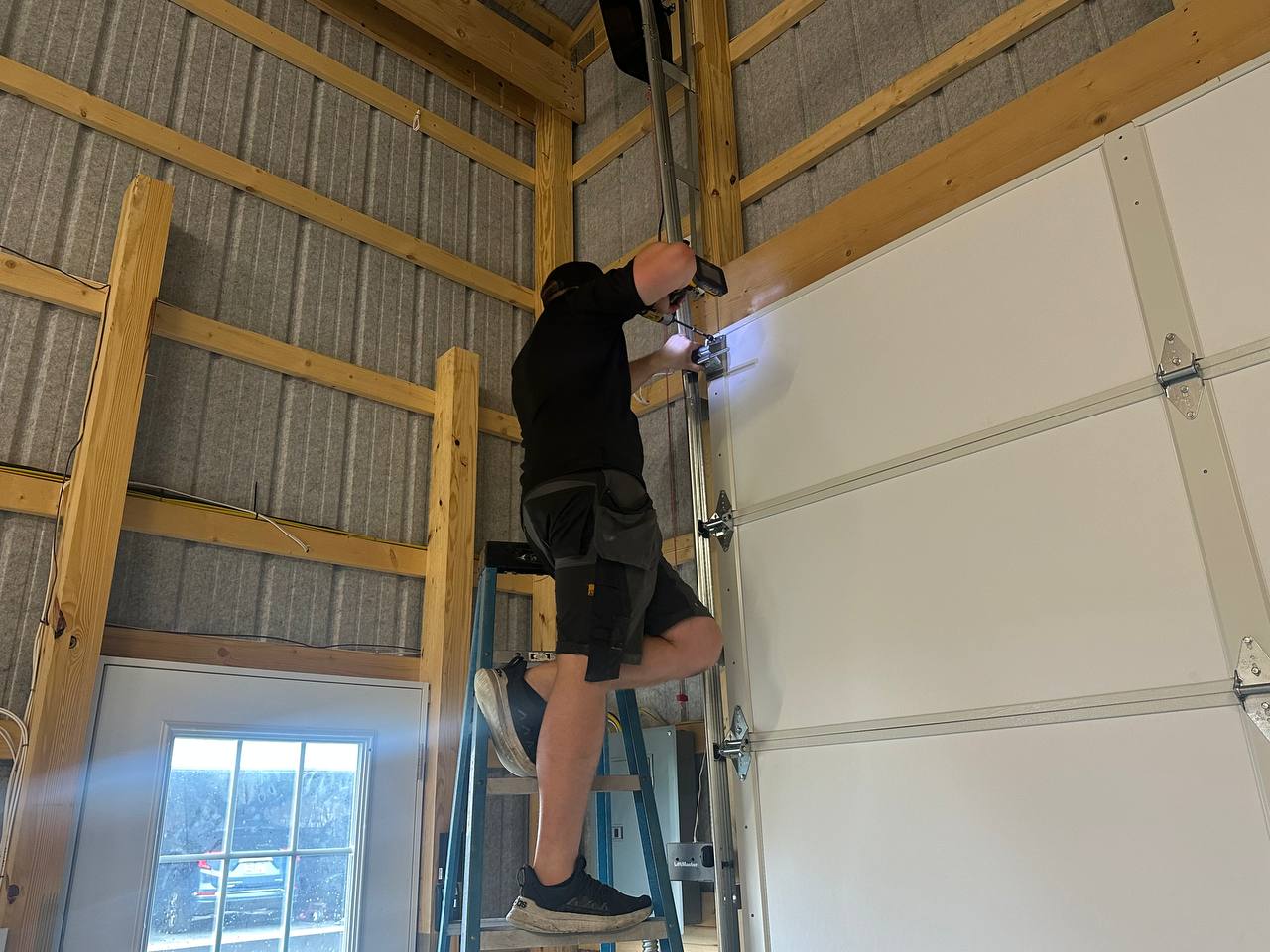
Professional replacement is the right call. Our garage door service and repair team in Delaware has the equipment and experience to handle spring replacements safely, calibrate the new springs correctly, and check the rest of the system while on-site. Getting it done right the first time costs less in the long run than an emergency repair after a DIY attempt goes wrong.
Also Read: The Ultimate Annual Garage Door Maintenance Checklist, A simple yearly routine that catches problems like spring wear before they turn into bigger repairs.
How Long Do Replacement Springs Last?
Standard torsion springs are rated for approximately 10,000 cycles. One cycle equals one full open-and-close of the door. For a household that uses the garage door four times a day, that works out to roughly seven years of service.
High-cycle springs rated at 25,000 or 50,000 cycles cost more upfront but can last significantly longer, especially in homes where the garage door sees heavy daily use. If your current springs were standard-cycle, upgrading to high-cycle springs during replacement is worth discussing with your technician.
Spring lifespan is also affected by:
- Lubrication. Springs that are regularly lubricated with a silicone-based or garage door lubricant wear more slowly.
- Temperature extremes. Delaware winters put stress on metal components. Cold temperatures cause metal to contract and can accelerate spring fatigue.
- Door balance. A properly balanced door puts even load on both springs. Neglected balance adjustments wear springs unevenly.
Conclusion
Garage door spring replacement is one of the more common repairs Delaware homeowners face, and it is not one to put off. A broken spring leaves your door inoperable and puts extra strain on your opener and cables the longer it goes unaddressed. Whether you have a single torsion spring or a two-spring system, getting a professional in quickly is the right call. With over 40 years of experience serving homes across Delaware and Maryland’s Eastern Shore, Quality Garage Doors & Gutters handles spring replacements safely, correctly, and with no surprises. Call us at +1 302-678-3667 or request a free estimate online to get your door back in working order.